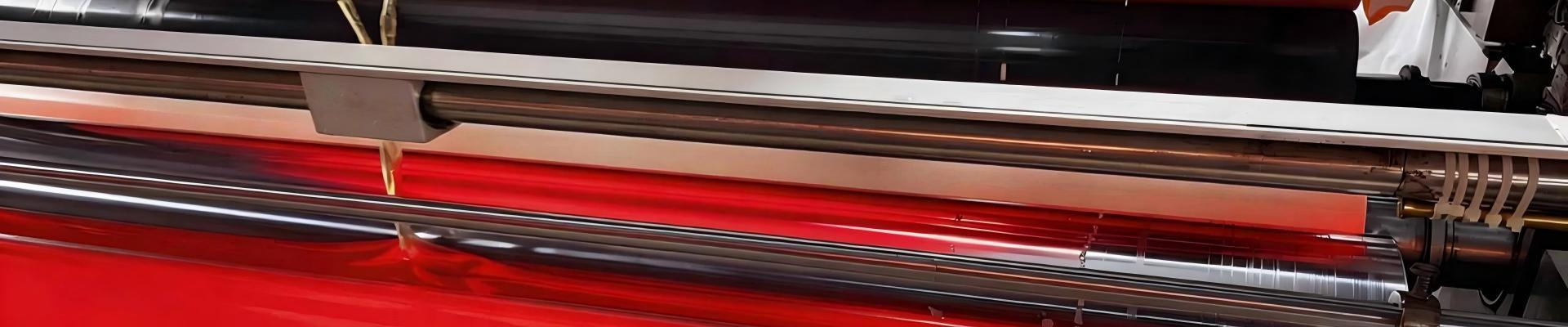
Industrial packaging lines can lose efficiency when film width does not match production specifications. Custom-width white opaque CPP (cast polypropylene) film is being positioned as a way to reduce trim waste and improve fit, with manufacturers including Cosmo Films offering tailored dimensions.
Film width is closely tied to packaging machinery compatibility. When film does not match line specifications, operators can face excess trim scrap, uneven tension, and reduced automation efficiency.
Custom-width white opaque CPP film is designed to align with specific packaging lines. Manufacturers position the approach as a way to reduce trim waste, lower material costs, and support smoother production flow.
Beyond dimensions, white opaque CPP film offers barrier properties intended to protect contents during storage. The material is also designed for print adaptability, keeping packaging graphics clear and colors saturated for brand display.
The film is used across food, pharmaceutical, and industrial packaging, particularly where light protection and high-quality appearance are required. Its opaque white surface can help block light and improve print contrast.
When evaluating film, procurement and production teams typically weigh width customization, barrier performance, and print quality against line requirements. The table below summarizes the technical values associated with each dimension.
| Performance dimension | Technical value |
|---|---|
| Custom width | Reduces production-line waste and improves processing efficiency |
| Barrier performance | Protects product quality and extends shelf life |
| Print performance | Enhances packaging visual quality and brand presentation |
The comparison highlights how width, barrier, and print properties affect operational and presentation outcomes. Each factor can influence material use, product protection, and final packaging appearance.